Syndication

Regulation A Form 1-A SEC qualification process from filing to launch

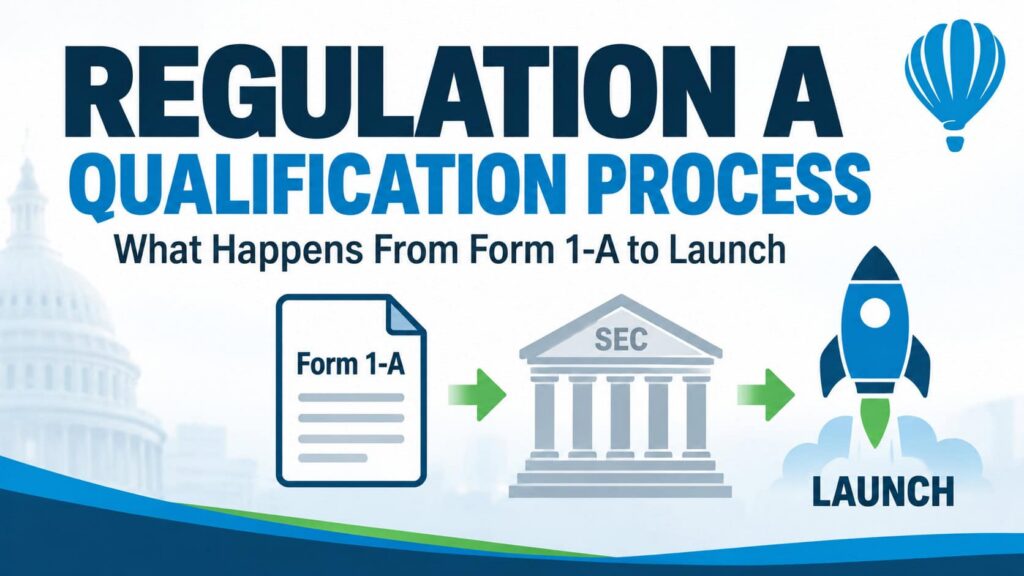
The Regulation A Qualification Process: What Happens From Form 1-A to Launch

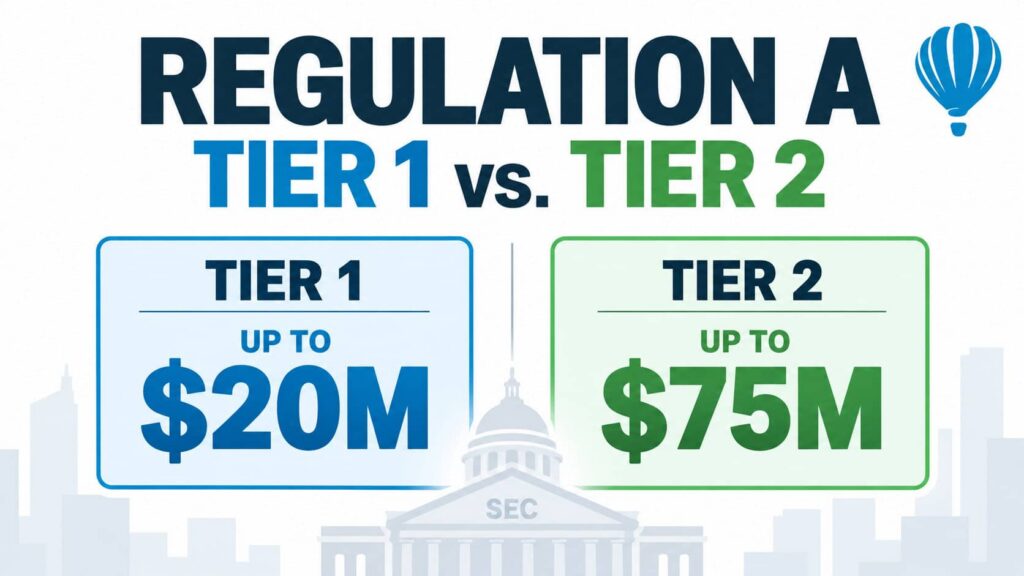
For a business that wants to raise capital on a much larger scale, Regulation A can change the conversation. Instead of limiting your investor base to accredited investors, Regulation A can allow you to publicly market an offering to both accredited and non-accredited investors. Under Tier 2, an issuer can raise up to $75 million

The Regulation A Qualification Process: What Happens From Form 1-A to Launch Read More »
When There Is No Property to Sell, You Have to Sell the Sponsor

One of the advantages of raising capital for a real estate syndication is that the sponsor usually has something very specific to talk about. There is a property. There is a market. There is a purchase price, financing structure, rent roll, renovation plan, projected cash flow, and business plan. Investors can dig into the details

When There Is No Property to Sell, You Have to Sell the Sponsor Read More »

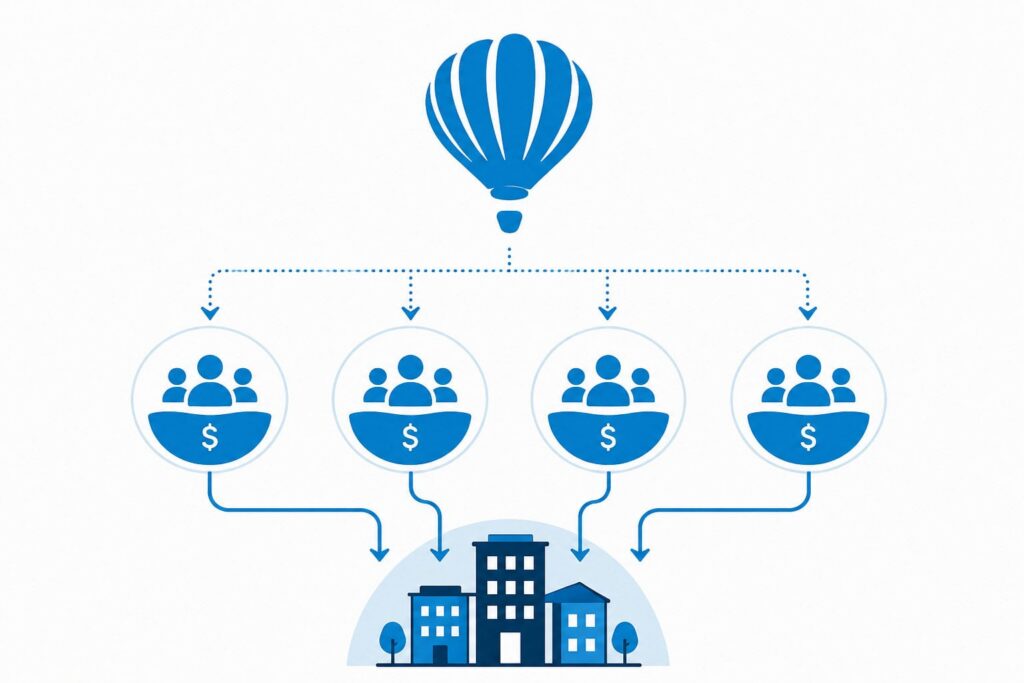
Illustration of feeder fund structure in a real estate syndication showing multiple investor groups pooling capital into a commercial real estate investment through feeder funds using Crowdfunding Lawyers branding.

How Feeder Funds Actually Work in a Real Estate Deals

Practical Breakdown of Feeder Funds and Fund of Funds Structures The idea of a feeder fund can be abstract until you see how it plays out in an actual transaction. From the outside, most real estate syndications look straightforward. A sponsor finds a deal, builds a team, raises capital, and executes the business plan. That

How Feeder Funds Actually Work in a Real Estate Deals Read More »

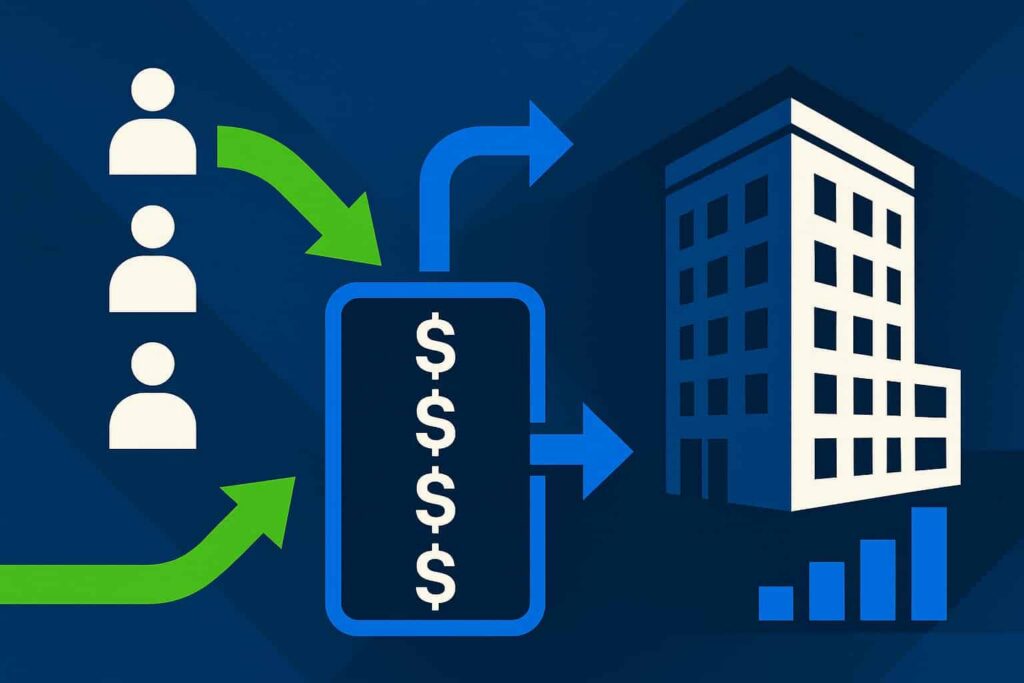
Feeder funds in real estate syndications illustration for capital raisers

You Don’t Need to Be on the GP Team to Raise Capital

Understanding Feeder Funds, Fund of Funds, and How Capital Raising Is Evolving For years, the path into a real estate syndication was relatively straightforward. If you wanted to raise capital, you needed to be part of the GP management. That role came with expectations. You were involved in sourcing the opportunity, participating in diligence, helping

You Don’t Need to Be on the GP Team to Raise Capital Read More »

War chest strategy featured image showing a well-capitalized sponsor platform with structured growth and financial readiness

War Chest Strategy: How Smart Sponsors Build Scale Without Breaking Their Piggy Bank

War Chest Strategy: How Smart Sponsors Build Scale Without Breaking Their Piggy Bank Table of Contents What Is a War Chest Strategy? Why So Many Sponsors Stay Undercapitalized The Hidden Cost of Building a Platform on Personal Cash Deal Capital vs. Enterprise Capital Why Liquidity Creates Competitive Advantage What “Syndicate the Syndicator” Actually Means The

War Chest Strategy: How Smart Sponsors Build Scale Without Breaking Their Piggy Bank Read More »

right capital partners business growth strategy

How to Find the Right Capital Partners for Business Growth

How to Find the Right Capital Partners for Business Growth   Table of Contents What Is a Capital Partner? Not Every Business Needs the Same Kind of Capital Debt vs. Equity, Know the Tradeoff What the Right Capital Partner Looks Like Capital Partner Comparison Table How to Prepare Before You Approach Capital Partners Choosing Capital

How to Find the Right Capital Partners for Business Growth Read More »

Choosing the Right Flexible Fund Structure Before You Scale

For many early-stage sponsors, the question isn’t which fund structure to use. It’s whether a fund structure makes sense at all. At some point, nearly every sponsor reaches the same inflection point. You’re tired of recreating the wheel for every acquisition. New entity. New offering documents. New investor onboarding. New compliance checklist. The mechanics work,

Choosing the Right Flexible Fund Structure Before You Scale Read More »

Scroll to Top