
Articles

Nathaniel Dodson On
The Qualified Client Problem for Fund-of-Funds Managers
If you’re managing a feeder fund or fund of funds, you’ve probably spent time making sure your investors qualify under Reg D. You’ve collected investor questionnaires, reviewed accredited investor representations, and followed the subscription procedures established in your offering documents. Depending on whether you’re using Rule 506(c), you may have also completed additional investor verification….
Nathaniel Dodson On
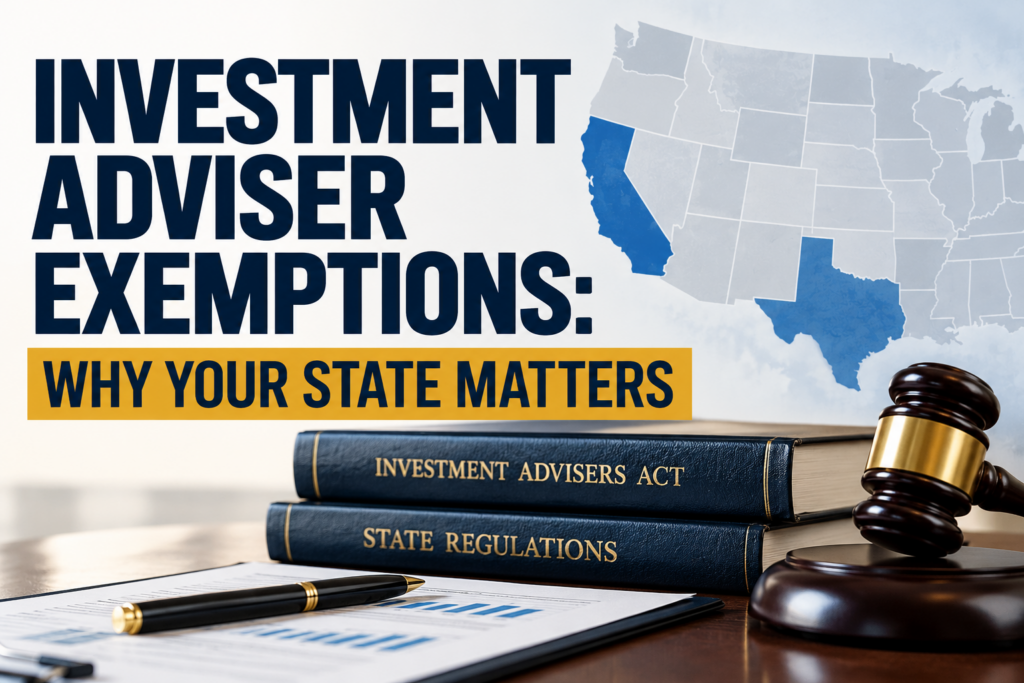
Investment Adviser Exemptions: Why Your State Matters
Managing a feeder fund or fund of funds involves more than complying with the securities laws governing your investment offering. Most sponsors pay considerable attention to Regulation D, their offering documents, and the Investment Company Act. However, the requirements applicable to the company managing those investments often receive much less attention. Your fund may qualify…
Nathaniel Dodson On
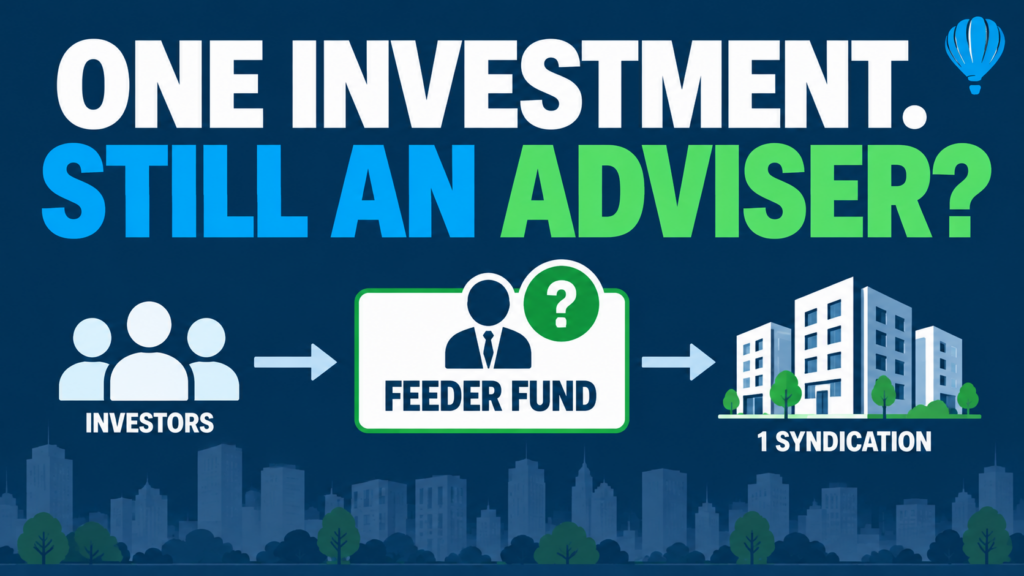
Does Managing a Single-Investment Feeder Fund Make You an Investment Adviser?
You’ve identified a real estate syndication that you believe is a strong investment opportunity. You’ve reviewed the underwriting, evaluated the sponsor’s experience, examined the financing, and spent time understanding the business plan. After completing your due diligence, you’ve decided it’s a project worth bringing to your investor network to buy into the syndication. Rather than…
Dodson Legal Group On
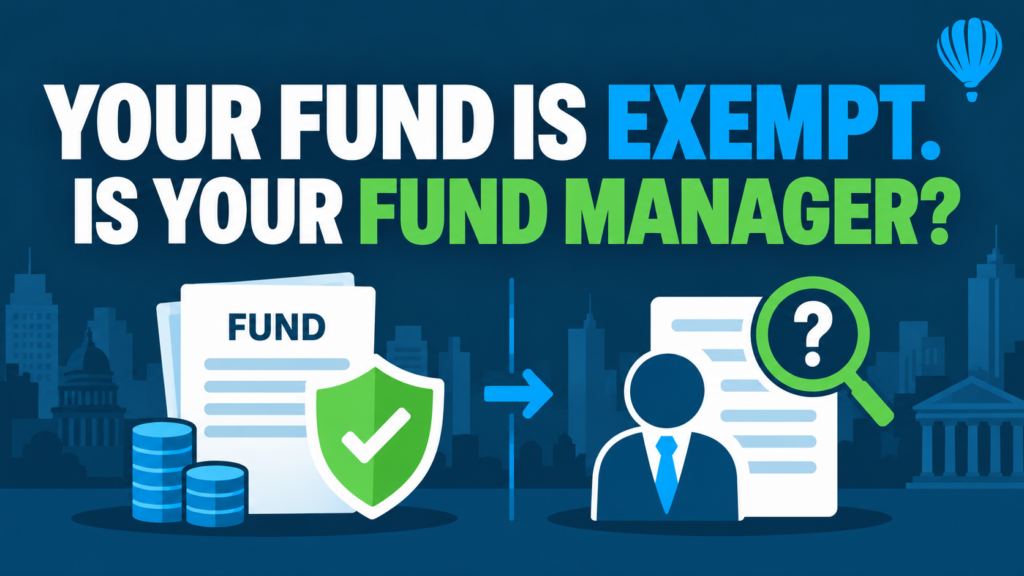
Your Fund Is Exempt. Is Your Fund Manager?
If you’re managing a private investment fund, you’ve probably spent considerable time making sure your offering complies with federal securities laws. You’ve worked with attorneys to prepare your Private Placement Memorandum, Subscription Agreement, and operating documents. You’ve selected a Regulation D exemption, filed your Form D, and established procedures for accepting investors. You may have…
Dodson Legal Group On
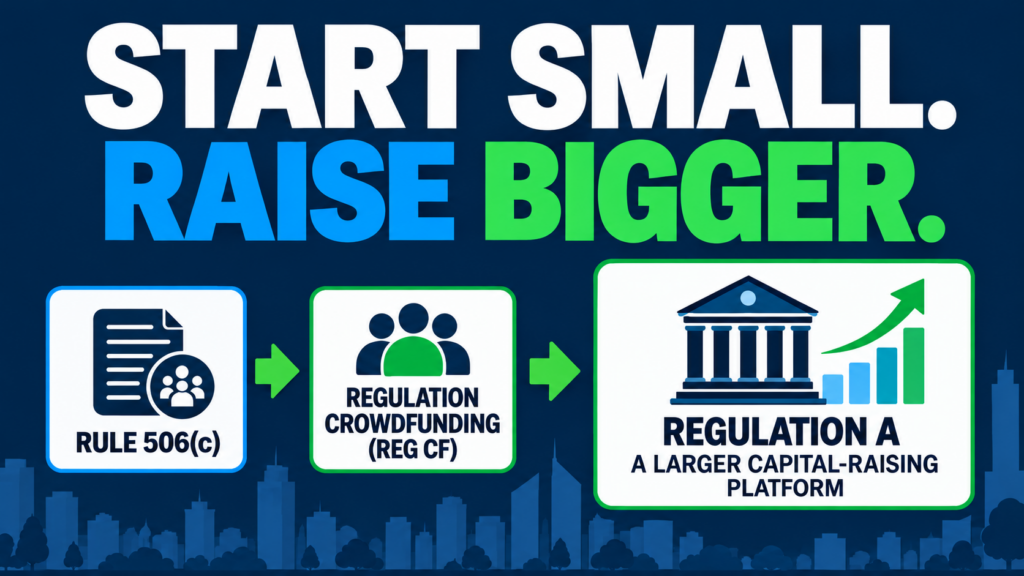
How Reg D and Reg CF Can Help Build a Larger Capital-Raising Platform
If your long-term goal is to raise $20 million, $50 million, or even more online, it is tempting to think you need to start by building the biggest securities offering available to you. For some companies, that may be the right move. For many others, particularly those working with a limited initial budget, there is…
Dodson Legal Group On
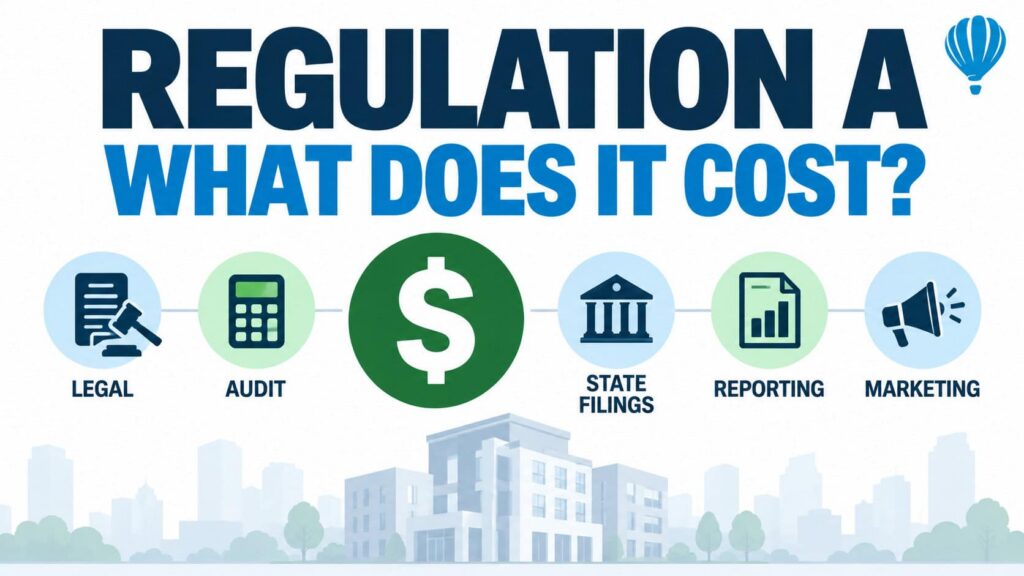
What Does a Regulation A Real Estate Offering Really Cost?
For the right real estate sponsor, Regulation A can create a very different capital-raising business. A Tier 2 offering can be publicly marketed, can include both accredited and qualifying non-accredited investors, and can raise up to $75 million during a 12-month period. That flexibility is attractive for sponsors who want to move beyond one-off syndications…