Author name: Richard Robinette

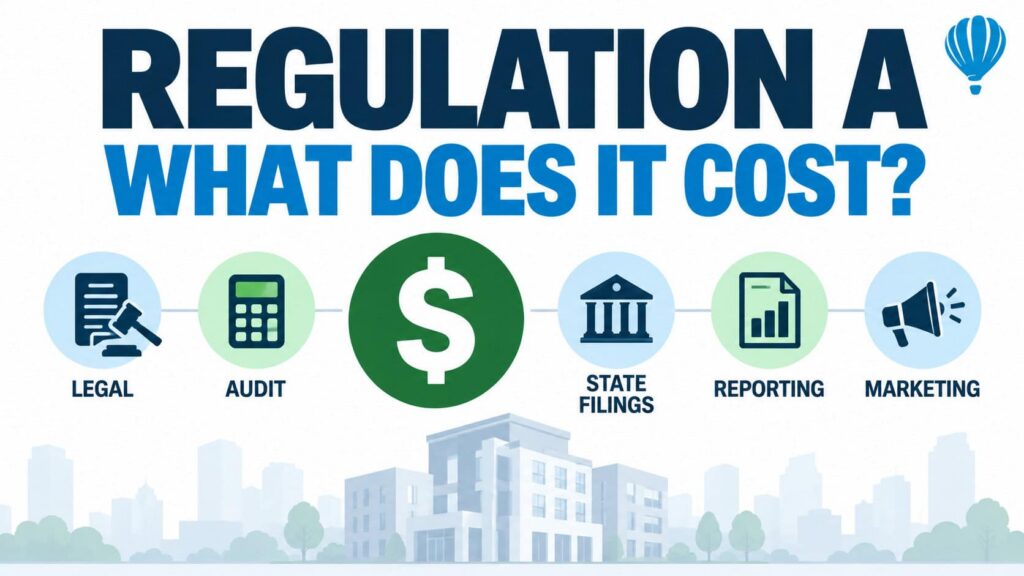
Regulation A real estate offering cost including legal, audit, state filing, reporting and marketing expenses

What Does a Regulation A Real Estate Offering Really Cost?

For the right real estate sponsor, Regulation A can create a very different capital-raising business. A Tier 2 offering can be publicly marketed, can include both accredited and qualifying non-accredited investors, and can raise up to $75 million during a 12-month period. That flexibility is attractive for sponsors who want to move beyond one-off syndications

What Does a Regulation A Real Estate Offering Really Cost? Read More »
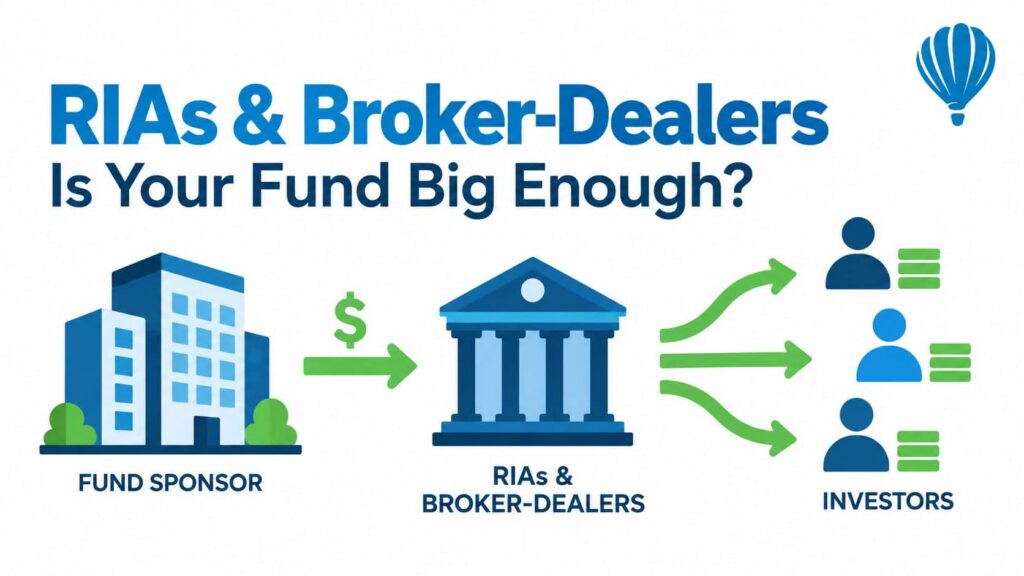
RIA and broker-dealer capital distribution for a private real estate fund

Raising Capital Through RIAs and Broker-Dealers: Is Your Fund Big Enough?

A $10 million or $20 million real estate fund can feel substantial when you’re the sponsor responsible for raising it. Depending on the strategy, that may be more than enough capital to acquire several properties and execute the business plan. The calculation can change when RIAs, broker-dealers, and licensed securities professionals become part of the

Raising Capital Through RIAs and Broker-Dealers: Is Your Fund Big Enough? Read More »

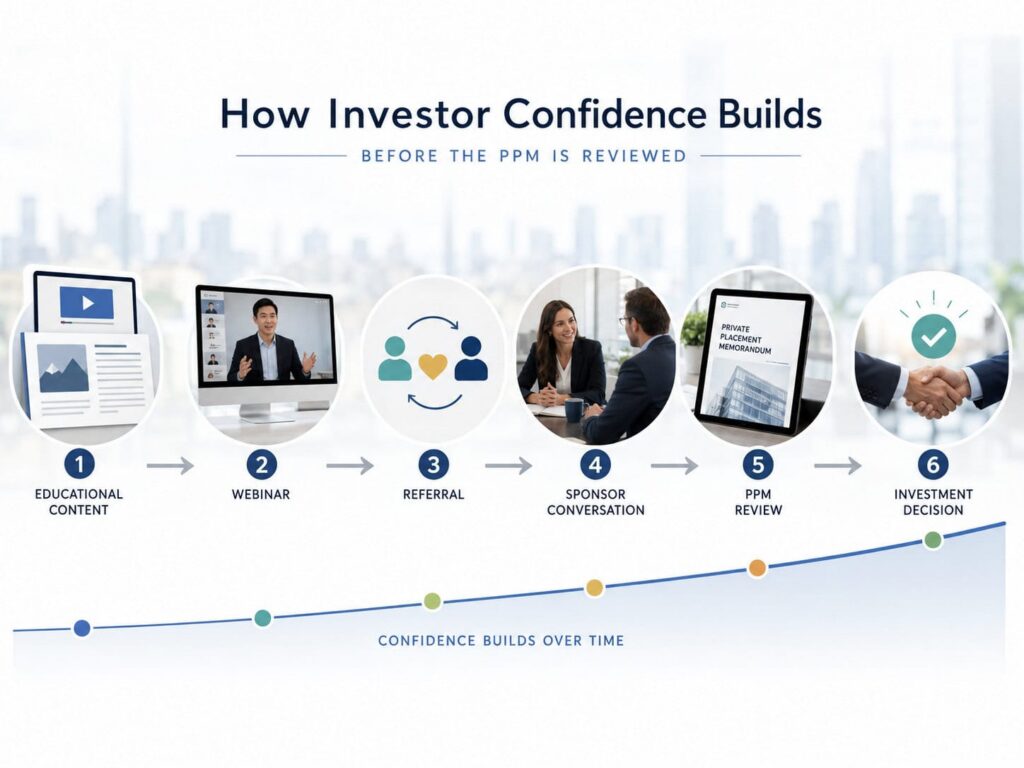
Simple illustration showing business planning, investor education, relationship building, and marketing strategy leading to a completed Private Placement Memorandum.

Your Private Placement Memorandum Isn’t Where Your Capital Raise Begins

Ask almost any sponsor preparing for a Regulation D offering what the next major milestone is, and the answer is often the same: “We need to get our Private Placement Memorandum drafted.” It’s an understandable response. The Private Placement Memorandum (PPM) is one of the most important legal documents in a securities offering. It explains

Your Private Placement Memorandum Isn’t Where Your Capital Raise Begins Read More »

How Sponsors Are Combining 506(b) Relationships with 506(c) Marketing

Why Side-by-Side Offerings Are Becoming More Common One of the most common assumptions in the capital raising world is that a sponsor eventually has to choose a fundraising lane and stay in it. If you want to raise money from existing relationships, you use Rule 506(b). If you want to generally solicit through podcasts, social

How Sponsors Are Combining 506(b) Relationships with 506(c) Marketing Read More »

The Inbox is the New Boardroom: Mastering Compliant Email Marketing for Capital Raises

For all the hype around social media and video marketing, one channel remains the undisputed king of conversion: Email. For syndicators and fund managers, an email list is an asset unto itself. It is where “leads” become “investors.” But unlike selling software or sneakers, selling securities through email requires navigating a complex web of regulations.

The Inbox is the New Boardroom: Mastering Compliant Email Marketing for Capital Raises Read More »

The Rise of the “Issuer-Influencer”: Navigating Social Media Compliance in Capital Raising

Ten years ago, raising capital was a private affair, primarily done through friend ‘n family under Reg D 506(b) or often on golf courses. Today, it happens through LinkedIn, DMs through our social media, Instagram Stories, and Facebook boosted posts. We have entered the era of the “Issuer-Influencer.” Syndicators, founders, and fund managers are no

The Rise of the “Issuer-Influencer”: Navigating Social Media Compliance in Capital Raising Read More »

How to Build an Investor Waitlist That Actually Converts

You’ve spent months building relationships, posting content, hosting webinars, and answering questions. You’ve positioned yourself as a credible syndicator with a solid track record. And when you finally launch your next offering, you expect a flood of interest. Instead, you get crickets. Or worse, you get “I need to think about it” responses that drag

How to Build an Investor Waitlist That Actually Converts Read More »

Scroll to Top