
Author name: Nathaniel Dodson

The Qualified Client Problem for Fund-of-Funds Managers

If you’re managing a feeder fund or fund of funds, you’ve probably spent time making sure your investors qualify under Reg D. You’ve collected investor questionnaires, reviewed accredited investor representations, and followed the subscription procedures established in your offering documents. Depending on whether you’re using Rule 506(c), you may have also completed additional investor verification.

The Qualified Client Problem for Fund-of-Funds Managers Read More »
Investment Adviser Exemptions: Why Your State Matters

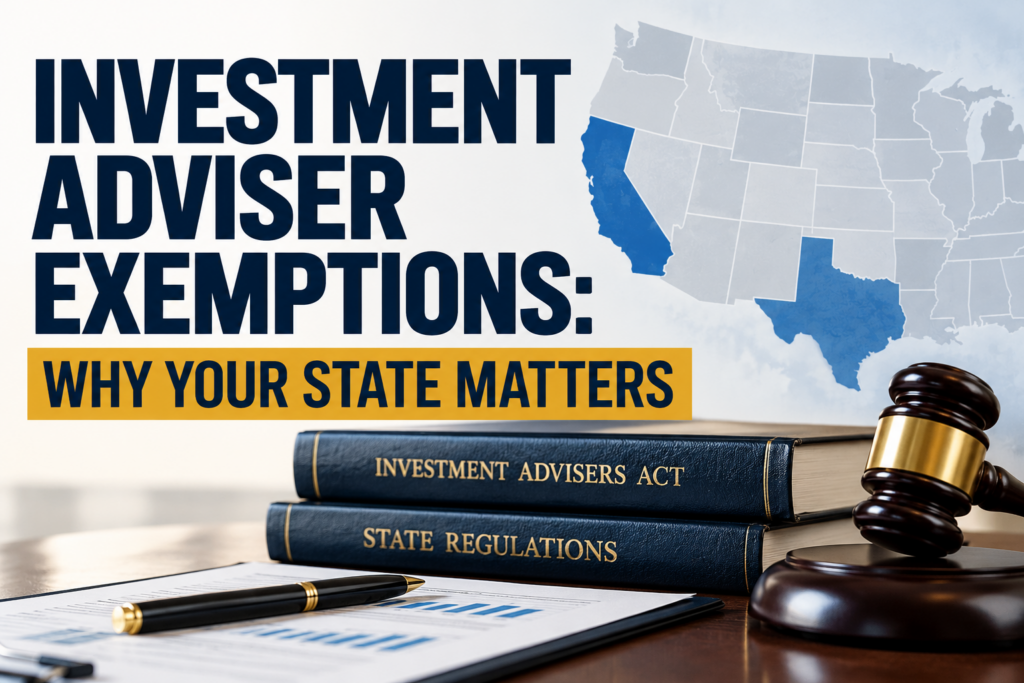
Managing a feeder fund or fund of funds involves more than complying with the securities laws governing your investment offering. Most sponsors pay considerable attention to Regulation D, their offering documents, and the Investment Company Act. However, the requirements applicable to the company managing those investments often receive much less attention. Your fund may qualify

Investment Adviser Exemptions: Why Your State Matters Read More »

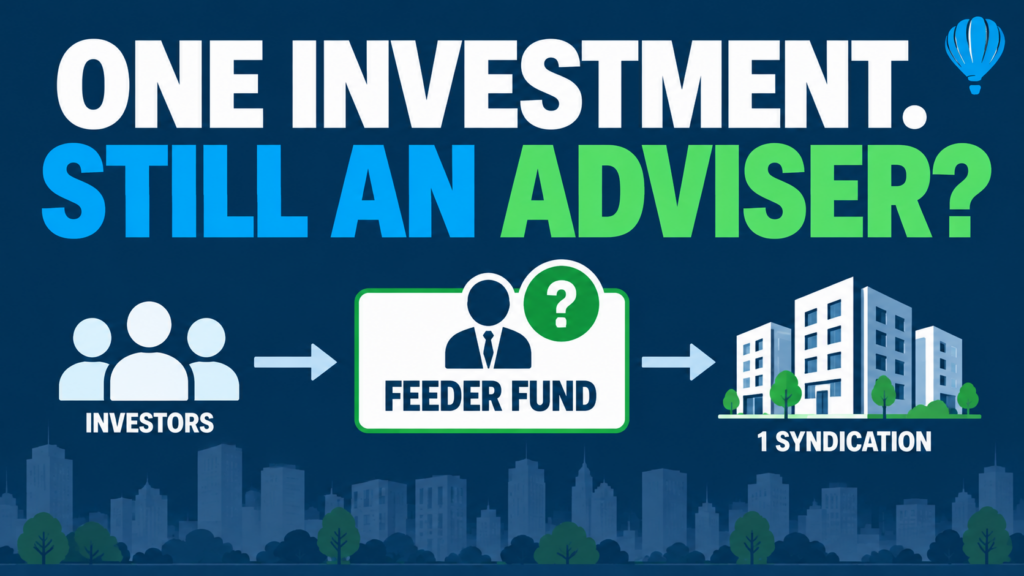
Single-investment feeder fund and potential investment adviser obligations

Does Managing a Single-Investment Feeder Fund Make You an Investment Adviser?

You’ve identified a real estate syndication that you believe is a strong investment opportunity. You’ve reviewed the underwriting, evaluated the sponsor’s experience, examined the financing, and spent time understanding the business plan. After completing your due diligence, you’ve decided it’s a project worth bringing to your investor network to buy into the syndication. Rather than

Does Managing a Single-Investment Feeder Fund Make You an Investment Adviser? Read More »

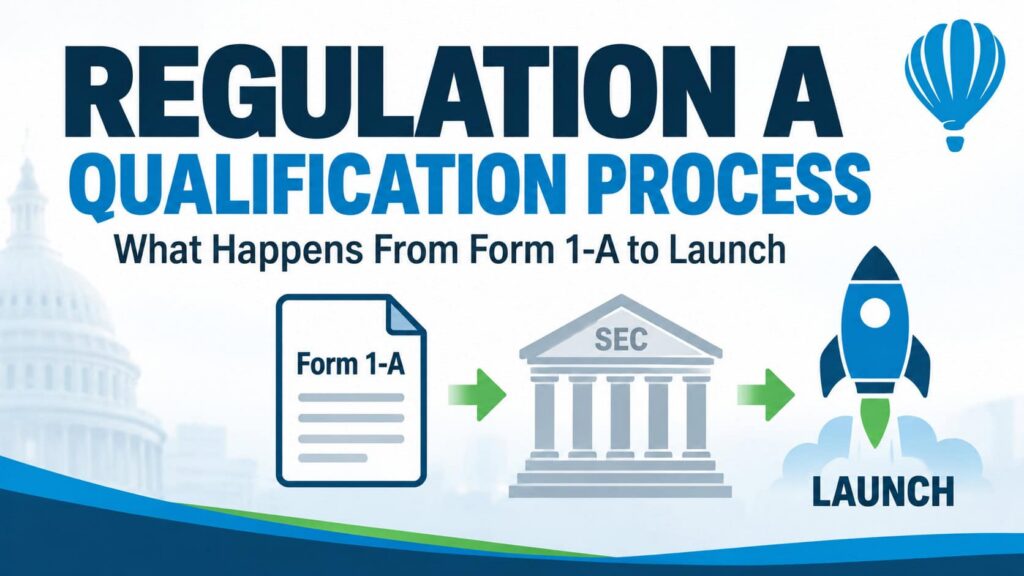
Regulation A Form 1-A SEC qualification process from filing to launch

The Regulation A Qualification Process: What Happens From Form 1-A to Launch

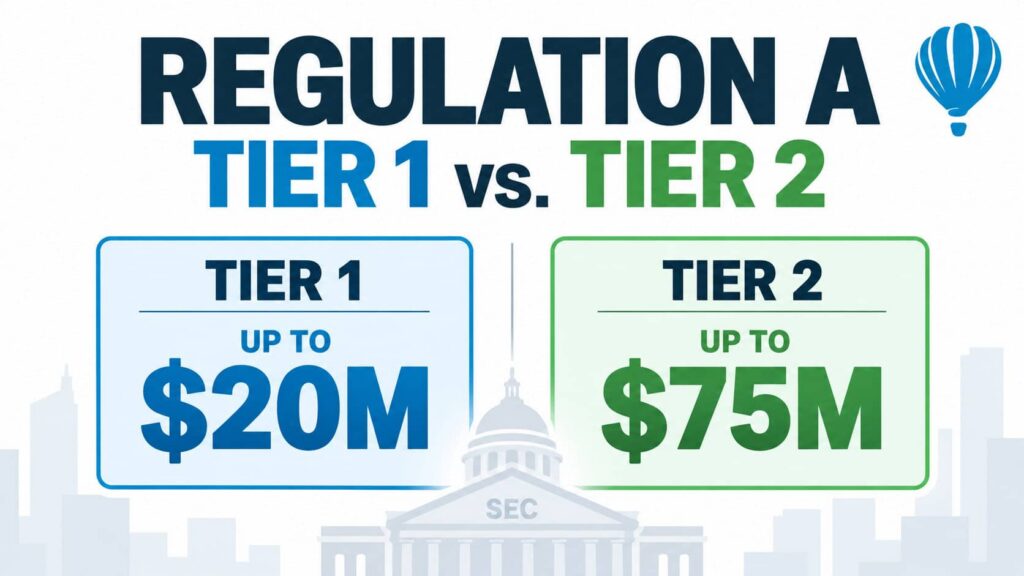
For a business that wants to raise capital on a much larger scale, Regulation A can change the conversation. Instead of limiting your investor base to accredited investors, Regulation A can allow you to publicly market an offering to both accredited and non-accredited investors. Under Tier 2, an issuer can raise up to $75 million

The Regulation A Qualification Process: What Happens From Form 1-A to Launch Read More »

When There Is No Property to Sell, You Have to Sell the Sponsor

One of the advantages of raising capital for a real estate syndication is that the sponsor usually has something very specific to talk about. There is a property. There is a market. There is a purchase price, financing structure, rent roll, renovation plan, projected cash flow, and business plan. Investors can dig into the details

When There Is No Property to Sell, You Have to Sell the Sponsor Read More »

Simple illustration showing business planning, investor education, relationship building, and marketing strategy leading to a completed Private Placement Memorandum.

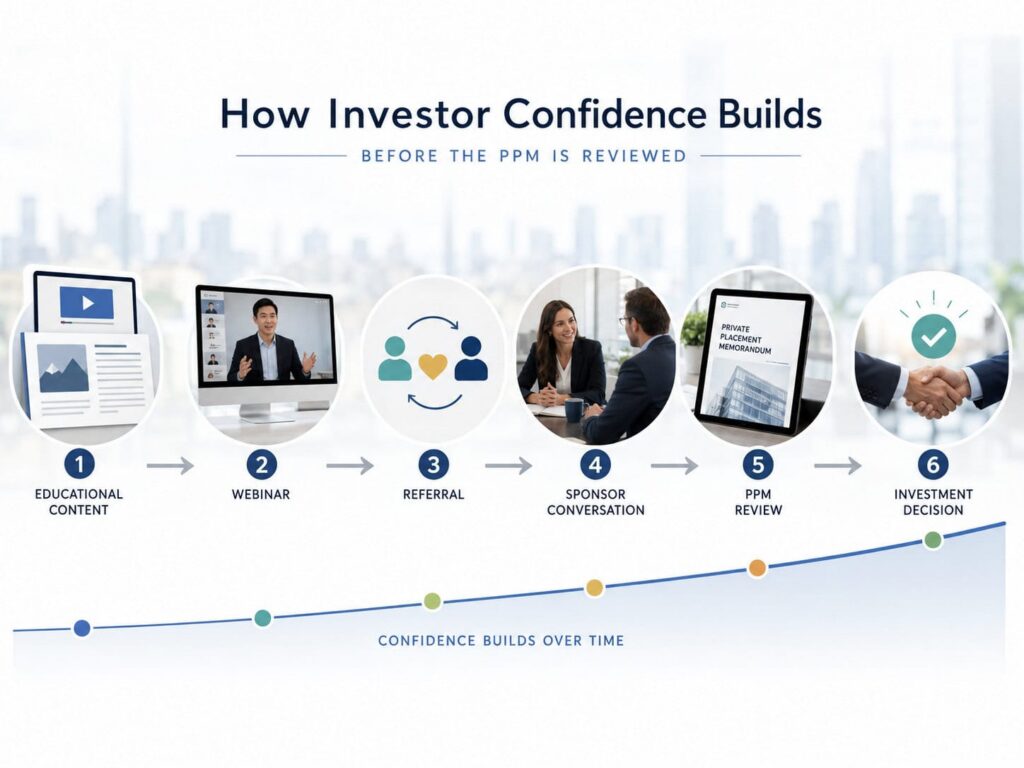
Your Private Placement Memorandum Isn’t Where Your Capital Raise Begins

Ask almost any sponsor preparing for a Regulation D offering what the next major milestone is, and the answer is often the same: “We need to get our Private Placement Memorandum drafted.” It’s an understandable response. The Private Placement Memorandum (PPM) is one of the most important legal documents in a securities offering. It explains

Your Private Placement Memorandum Isn’t Where Your Capital Raise Begins Read More »

Simple illustration showing two capital raising paths—relationship-based fundraising under Rule 506(b) and public marketing under Rule 506(c)—both beginning with a business strategy.

Most Sponsors Ask the Wrong Question About Rule 506(b) and Rule 506(c)

Most Sponsors Ask the Wrong Question About Rule 506(b) and Rule 506(c) One of the most common conversations surrounding Regulation D offerings starts with what appears to be a simple question. “Should I use Reg D Rule 506(b) or Rule 506(c)?” At first glance, it seems like the logical place to begin. After all, both

Most Sponsors Ask the Wrong Question About Rule 506(b) and Rule 506(c) Read More »

Why Rule 506(b) Continues to Dominate Real Estate Syndications

If you spend enough time in the real estate industry, you’ll eventually hear someone say that Rule 506(c) or Reg CF is the future of capital raising. After all, it allows sponsors to publicly market their offerings through podcasts, YouTube, webinars, social media, conferences, paid advertising, and other forms of general solicitation. They’re not wrong.

Why Rule 506(b) Continues to Dominate Real Estate Syndications Read More »

Scroll to Top