
Author name: Nathaniel Dodson

Illustration comparing Regulation A and Regulation D capital raising strategies, showing long-term platform growth, broader investor participation, and Series LLC structures for real estate sponsors and operating businesses.

Why Most Syndicators Skip Regulation A (And Why That Might Be a Mistake)

Spend enough time around real estate sponsors, fund managers, and entrepreneurs raising capital, and you’ll start to notice a pattern. Most people default to Regulation D. It’s understandable. Regulation D has become the workhorse of private offerings. It’s familiar, relatively straightforward, and in many industries, it’s simply what everybody else is doing. Because of that,

Why Most Syndicators Skip Regulation A (And Why That Might Be a Mistake) Read More »

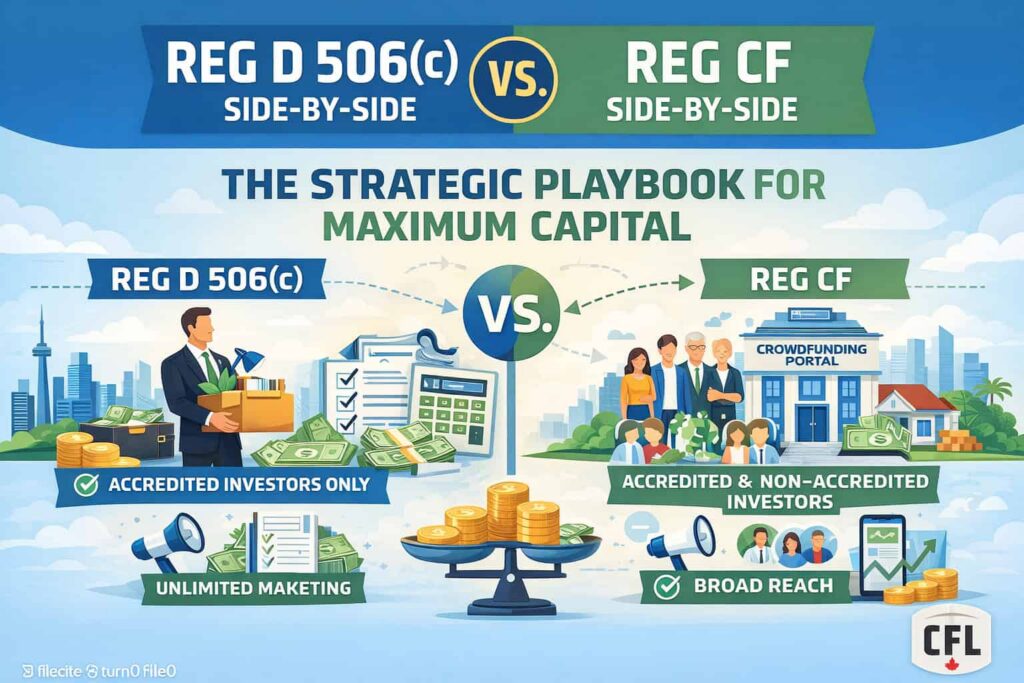
Illustration showing a Regulation Crowdfunding offering and a Rule 506(c) offering operating side-by-side, allowing retail investors and accredited investors to support the same company through separate fundraising structures.

How Startups Are Combining Reg CF Marketing with 506(c) Capital

Why More Founders and Sponsors Are Exploring Side-by-Side Offerings   Most founders begin the fundraising process with a fairly simple objective: raise enough capital to execute the business plan. Whether the goal is launching a startup, acquiring an asset or business, expanding a franchise, developing a real estate project, or purchasing an apartment complex, the

How Startups Are Combining Reg CF Marketing with 506(c) Capital Read More »

Buying a Hotel Is Different Than Buying Multifamily

Why Hospitality Acquisitions Often Feel More Like Buying a Business Than Buying Real Estate Hospitality transactions have started attracting more attention again over the last several years. Capital is still moving into the space, travel activity has continued recovering in many markets, and experienced operators are increasingly looking at hotels, resorts, and hospitality-driven assets as

Buying a Hotel Is Different Than Buying Multifamily Read More »

When Feeder Funds Raise Investment Adviser Questions

Understanding How Your Role Changes and Why It Matters At a high level, feeder funds are not difficult to understand. Capital is raised from a group of investors, pooled into a single entity, and that entity invests into a larger syndication. From a structural standpoint, it’s a clean way to organize capital and participate in

When Feeder Funds Raise Investment Adviser Questions Read More »

Illustration showing a business acquisition and commercial real estate transaction connected through due diligence, negotiation, and operational review using Dodson Legal Group inspired branding.

Buying a Business: The Importance of Due Diligence & Acquisition Strategy

Table of Contents The Deal Looked Strong at First Due Diligence Is Really About Predictability Where Business Acquisitions Start Separating From Real Estate Most Deals Change During Negotiation The Real Work Usually Starts After the Initial Excitement Buying a Business Is More Like Buying Commercial Real Estate Than Most People Think. In this article, we

Buying a Business: The Importance of Due Diligence & Acquisition Strategy Read More »

Illustration of feeder fund structure in a real estate syndication showing multiple investor groups pooling capital into a commercial real estate investment through feeder funds using Crowdfunding Lawyers branding.

How Feeder Funds Actually Work in a Real Estate Deals

Practical Breakdown of Feeder Funds and Fund of Funds Structures The idea of a feeder fund can be abstract until you see how it plays out in an actual transaction. From the outside, most real estate syndications look straightforward. A sponsor finds a deal, builds a team, raises capital, and executes the business plan. That

How Feeder Funds Actually Work in a Real Estate Deals Read More »

Feeder funds in real estate syndications illustration for capital raisers

You Don’t Need to Be on the GP Team to Raise Capital

Understanding Feeder Funds, Fund of Funds, and How Capital Raising Is Evolving For years, the path into a real estate syndication was relatively straightforward. If you wanted to raise capital, you needed to be part of the GP management. That role came with expectations. You were involved in sourcing the opportunity, participating in diligence, helping

You Don’t Need to Be on the GP Team to Raise Capital Read More »

War chest strategy featured image showing a well-capitalized sponsor platform with structured growth and financial readiness

War Chest Strategy: How Smart Sponsors Build Scale Without Breaking Their Piggy Bank

War Chest Strategy: How Smart Sponsors Build Scale Without Breaking Their Piggy Bank Table of Contents What Is a War Chest Strategy? Why So Many Sponsors Stay Undercapitalized The Hidden Cost of Building a Platform on Personal Cash Deal Capital vs. Enterprise Capital Why Liquidity Creates Competitive Advantage What “Syndicate the Syndicator” Actually Means The

War Chest Strategy: How Smart Sponsors Build Scale Without Breaking Their Piggy Bank Read More »

right capital partners business growth strategy

How to Find the Right Capital Partners for Business Growth

How to Find the Right Capital Partners for Business Growth   Table of Contents What Is a Capital Partner? Not Every Business Needs the Same Kind of Capital Debt vs. Equity, Know the Tradeoff What the Right Capital Partner Looks Like Capital Partner Comparison Table How to Prepare Before You Approach Capital Partners Choosing Capital

How to Find the Right Capital Partners for Business Growth Read More »

Reg D 506(c) vs. Reg CF Side-by-Side: The Strategic Playbook for Maximum Capital

Reg D 506(c) vs. Reg CF Side-by-Side: The Strategic Playbook for Maximum Capital If you’re raising capital for real estate today, you’re likely feeling the squeeze of a crowded market. Many syndicators are still stuck in the “Checkers” mindset, relying exclusively on Rule 506(b) offerings because that’s how it’s always been done. In fact, it’s

Reg D 506(c) vs. Reg CF Side-by-Side: The Strategic Playbook for Maximum Capital Read More »

Scroll to Top